
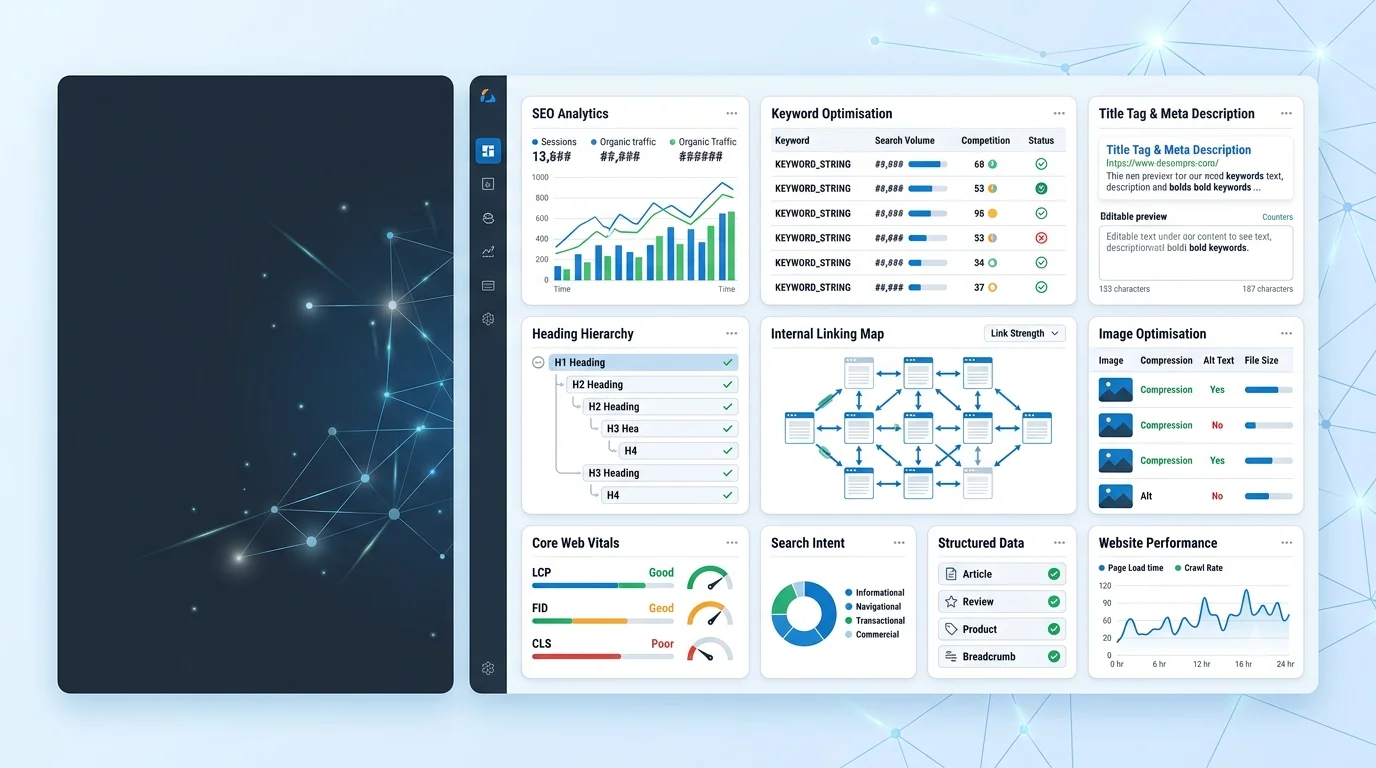
Your website may have excellent products or services, but if individual pages aren’t properly optimised, they can struggle to rank, attract qualified visitors and convert potential customers.
On-page SEO is the process of optimising every element of a webpage so that search engines can understand its purpose while providing users with a better experience. From title tags and headings to content quality, internal links and image optimisation, every detail contributes to how well a page performs in search results.
As an SEO consultant, I’ve worked with businesses across the UK, India and Dubai, and one of the most common issues I encounter is that websites focus heavily on publishing content but overlook how each page is optimised. Missing title tags, weak heading structures, poor keyword targeting and content that doesn’t fully satisfy user intent often prevent otherwise valuable pages from reaching their potential.
My on-page seo services help businesses optimise individual webpages using proven SEO best practices, helping improve search visibility, user experience and long-term organic growth. Whether you’re a local business, trades company, B2B organisation or service provider, effective on-page SEO creates stronger foundations for sustainable rankings.
In this guide, I will explain what on-page SEO services include, why they matter and how I approach page optimisation to help businesses achieve measurable SEO results.
What Are On-Page SEO Services?
On-page SEO services improve the elements within individual webpages that influence search visibility, relevance and user experience. They focus on optimising content, headings, metadata, internal links, images and page structure to help search engines understand your pages while making them more useful for visitors.
Unlike broader SEO strategies, on-page SEO concentrates on everything that can be optimised directly on a webpage. The goal is to ensure each page satisfies user search intent, provides valuable information and follows Google’s best practices for content quality and usability.
Professional on-page optimisation typically includes:
- Search intent analysis
- Keyword research and mapping
- Title tag optimisation
- Meta description optimisation
- URL optimisation
- Heading hierarchy (H1–H3)
- Content optimisation
- Internal linking
- Image optimisation
- Schema markup
- Mobile usability
- User experience improvements
Google’s Search Essentials highlight the importance of creating helpful, people-first content that demonstrates relevance and quality, rather than focusing solely on keywords. Well-optimised pages are more likely to be understood by search engines and provide a better experience for users.
Rather than applying the same checklist to every page, I tailor recommendations to each website’s goals, target audience and search intent. A local plumber, an eCommerce retailer and a B2B consultancy all require different optimisation strategies to compete effectively.
On-Page SEO vs Technical SEO
Although they’re closely connected, on-page SEO and technical SEO solve different challenges.
| On-Page SEO | Technical SEO |
|---|---|
| Optimises individual webpages | Optimises website infrastructure |
| Improves content relevance | Improves crawlability and indexing |
| Focuses on search intent | Focuses on search engine accessibility |
| Optimises titles and headings | Optimises XML sitemaps and robots.txt |
| Improves internal content | Improves Core Web Vitals and performance |
| Enhances user engagement | Enhances website health |
I often explain it like this: technical SEO ensures your website can be crawled and indexed correctly, while on-page SEO helps every page communicate its value clearly to both users and search engines. Without strong technical foundations, on-page optimisation has limited impact, which is why I recommend addressing both together.
If you’d like to learn more about the technical side of SEO, my guide to technical seo services explains how crawlability, indexing and website performance influence search visibility.
Why On-Page SEO Is the Foundation of High-Performing Content
Publishing content alone doesn’t guarantee rankings.
Every webpage should answer three important questions:
- Does it satisfy user search intent?
- Is it easy for search engines to understand?
- Does it provide a valuable experience for visitors?
If the answer to any of these questions is no, the page is unlikely to perform as well as it could.
During on-page SEO audits, I regularly find pages with excellent information but poor optimisation. Common issues include generic page titles, missing headings, duplicate content, weak internal linking and content that targets keywords rather than solving the user’s problem.
My approach focuses on improving the overall quality of each page instead of simply increasing keyword usage. Search engines have become much better at understanding context, entities and user intent, making relevance far more important than keyword repetition.
Why On-Page SEO Matters for Modern Businesses
On-page SEO helps businesses create webpages that are easier to understand, more relevant to user searches and more likely to convert visitors into customers. It strengthens every stage of the customer journey, from appearing in search results to encouraging meaningful engagement on your website.
Many businesses invest in attractive websites but overlook the individual pages that customers actually land on. A poorly optimised service page may rank below competitors, attract irrelevant traffic or fail to convert visitors because it doesn’t answer their questions clearly.
Strong on-page SEO improves more than rankings. It also supports:
- Better click-through rates through compelling titles and meta descriptions.
- Improved user engagement with well-structured, easy-to-read content.
- Higher relevance by matching pages to search intent.
- Better accessibility through logical headings and descriptive image alt text.
- Stronger internal linking that helps users discover related content.
These improvements create a better overall experience for both users and search engines.
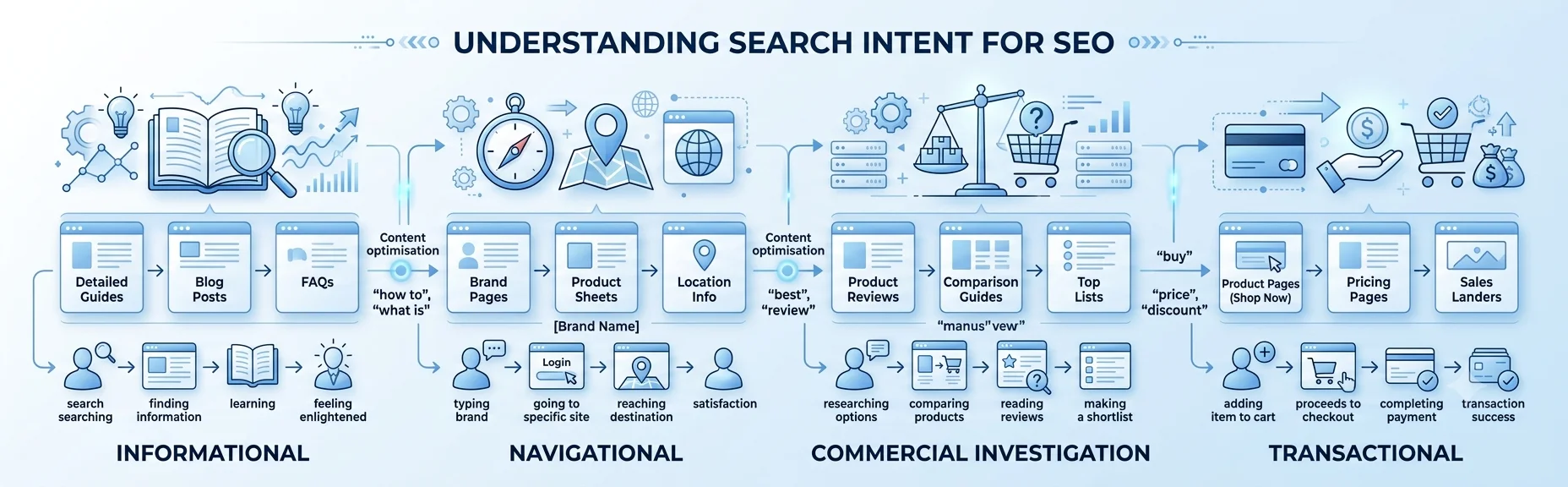
How Search Intent Influences Rankings
Search intent is one of the most important factors I consider when optimising a page.
Rather than asking, “Which keyword should I target?”, I ask, “What problem is the user trying to solve?”
Understanding this intent allows me to structure content that answers the right questions at the right stage of the customer’s journey.
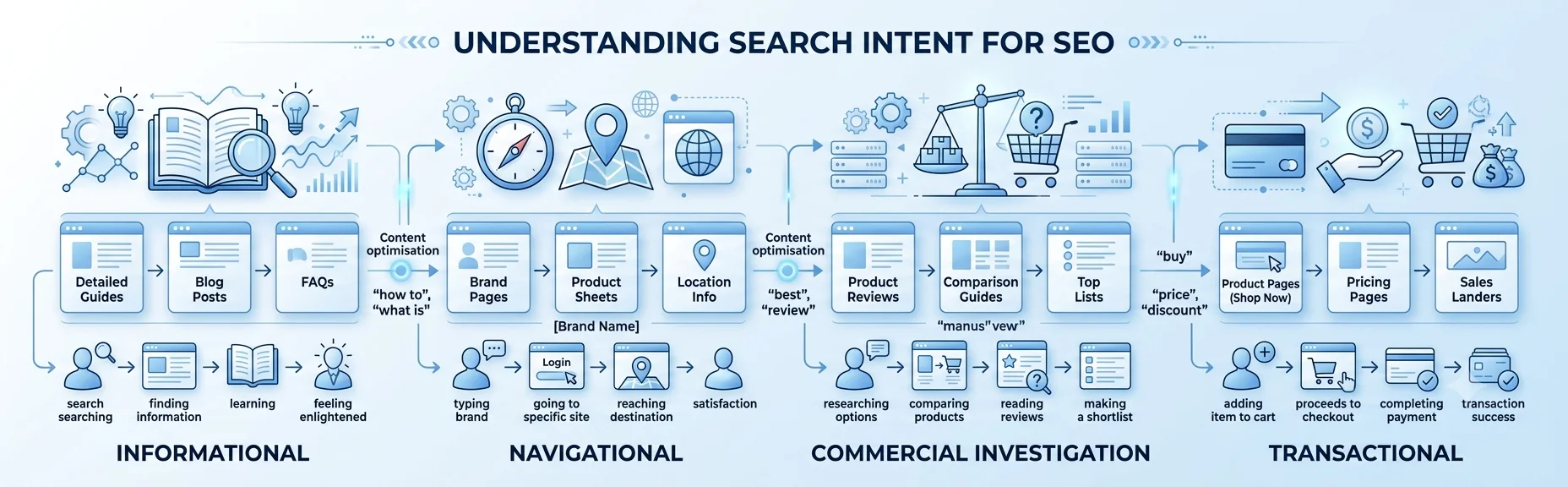
For example, someone searching for “on-page SEO checklist” is looking for practical guidance, while someone searching for “on-page SEO services” is comparing professional providers. Optimising both pages in the same way would fail to satisfy either audience.
This shift from keyword-first SEO to intent-first optimisation is one of the biggest reasons modern on-page SEO delivers better long-term results.
How On-Page SEO Improves User Experience
Google’s ranking systems increasingly reward webpages that provide a positive user experience.
That means pages should be:
- Easy to read.
- Well organised.
- Mobile friendly.
- Fast to load.
- Helpful and trustworthy.
When I optimise a webpage, I don’t just review keywords. I also assess readability, content structure, internal links, image optimisation and page layout to ensure visitors can quickly find the information they’re looking for.
Good on-page SEO also complements broader marketing strategies. Businesses comparing seo vs ppc often focus on traffic, but improving the quality of existing landing pages can increase the value of both organic and paid campaigns.
Likewise, pages that support link building for local businesses perform better when they’re well structured, informative and genuinely useful, giving other websites a stronger reason to reference and recommend them.
What's Included in Professional On-Page SEO Services?
Professional on-page SEO services optimise every element of an individual webpage to improve its relevance, usability and search visibility. Rather than focusing on keywords alone, I ensure each page aligns with user intent, Google’s best practices and your business objectives.
Effective on-page SEO is much more than editing a few title tags or adding keywords. Every page should have a clear purpose, answer a specific search intent and guide users towards taking action.
When I optimise a webpage, I follow a structured process that balances technical best practices with content quality and user experience. My goal is to create pages that search engines can understand while making them genuinely useful for your target audience.
Keyword Research & Search Intent
Every optimisation starts with understanding what your audience is searching for and why.
Instead of targeting broad keywords, I map primary, secondary and semantic keywords to the correct page based on search intent. This helps prevent keyword cannibalisation while ensuring every page serves a unique purpose within your website.
I also analyse competitor content, Google Search Console data and search behaviour to identify opportunities your competitors may have overlooked.
Title Tags & Meta Descriptions
Your title tag is often the first thing users see in Google Search results.
An effective title should:
- Include the primary keyword naturally.
- Clearly describe the page.
- Encourage users to click.
- Stay within Google’s recommended display length.
Meta descriptions don’t directly influence rankings, but they significantly impact click-through rates. Writing compelling descriptions that accurately reflect the page’s content can increase qualified traffic to your website.
Heading Structure (H1–H3)
A logical heading structure improves readability for users while helping search engines understand your content.
I review every page to ensure:
- One clear H1 heading.
- Logical H2 and H3 hierarchy.
- Headings aligned with user questions.
- Natural keyword placement.
- Easy-to-scan content.
Rather than forcing keywords into headings, I focus on creating descriptive titles that clearly communicate the purpose of each section.
Content Optimisation
Content should answer the user’s question better than competing pages.
When reviewing content, I consider:
- Search intent alignment.
- Content depth.
- Topical relevance.
- Semantic keyword coverage.
- Readability.
- E-E-A-T signals.
- Calls to action.
Rather than increasing keyword density, I improve topical completeness by naturally introducing related entities and answering follow-up questions users are likely to have.
Internal Linking Strategy
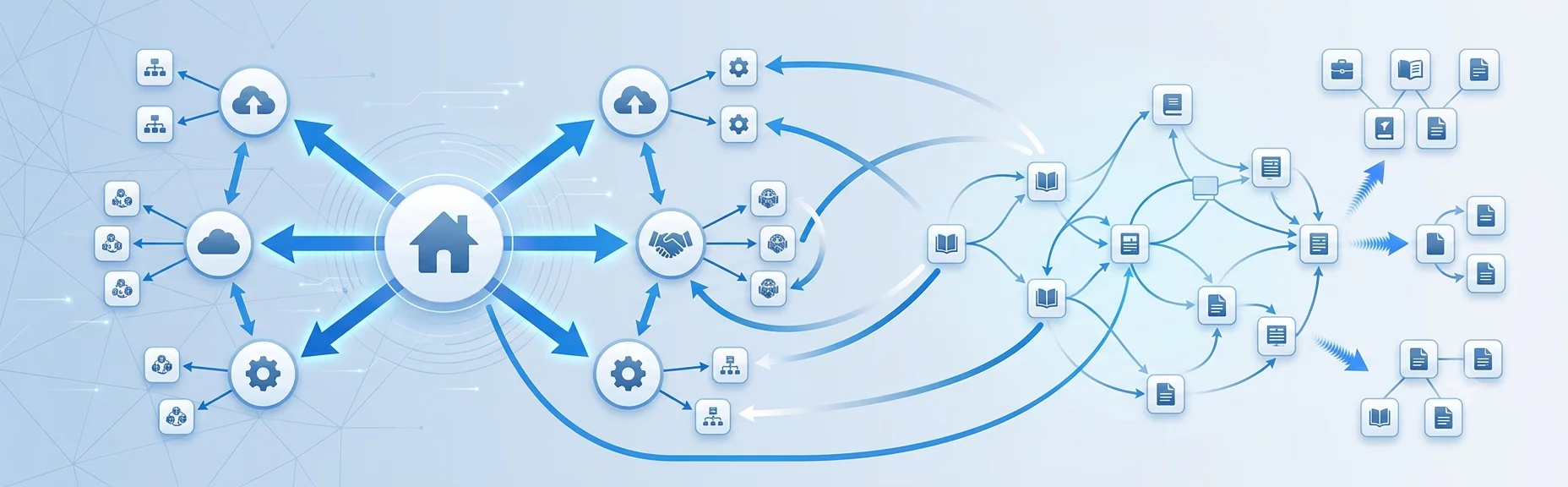
Internal links help both users and search engines discover related content across your website.
I review existing links and identify opportunities to:
- Connect related pages.
- Improve crawlability.
- Strengthen topical authority.
- Guide visitors through the customer journey.
Strong internal linking also complements link building for local businesses, helping distribute authority throughout your website and supporting long-term SEO growth.
Image Optimisation
Images contribute to both user experience and search performance.
I optimise:
- File names.
- Alt text.
- Compression.
- Responsive sizing.
- WebP formatting where appropriate.
Optimised images improve loading speed while making your content more accessible.
Schema Markup & Structured Data
Structured data provides additional context for search engines and can improve eligibility for rich results.
Where appropriate, I recommend implementing schema such as:
- Article
- FAQ
- Breadcrumb
- Local Business
- Organisation
Google recommends using structured data to help search engines better understand webpage content and enhance search appearance.
The Most Common On-Page SEO Mistakes I Find
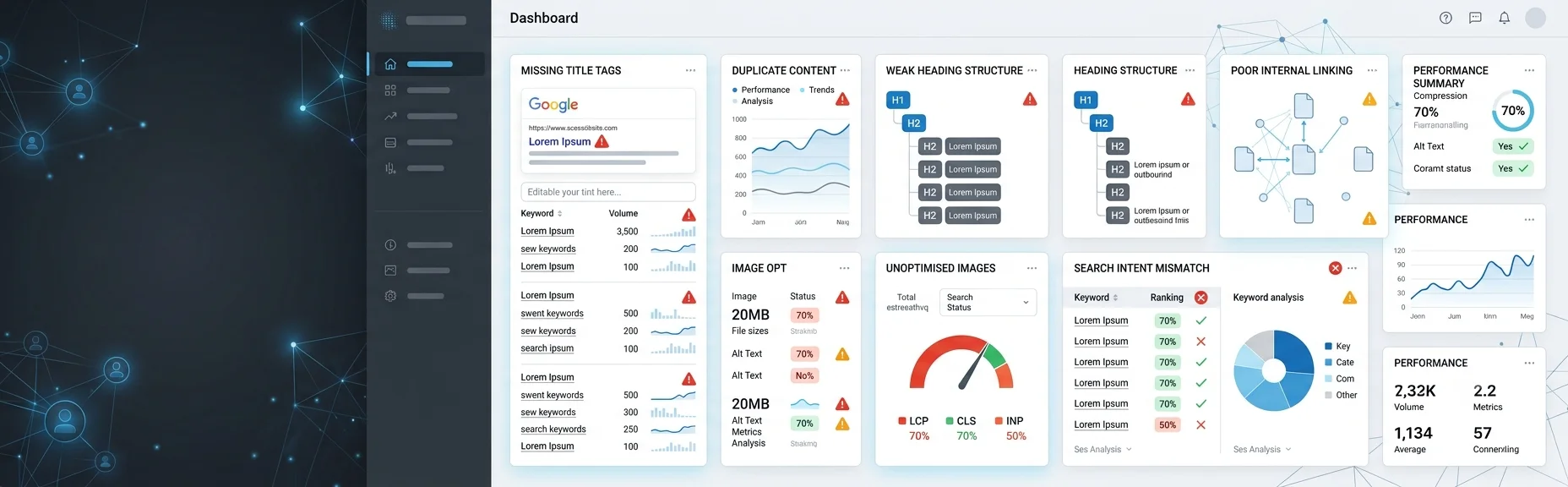
Most websites don’t fail because of one major SEO issue. Instead, they accumulate multiple smaller on-page problems that reduce relevance, user experience and search visibility over time.
During on-page SEO audits, I regularly identify the same optimisation issues across websites of all sizes.
Some of the most common include:
- Missing or poorly optimised title tags.
- Weak meta descriptions.
- Multiple H1 headings.
- Poor heading hierarchy.
- Keyword stuffing.
- Thin or duplicate content.
- Missing internal links.
- Large, unoptimised images.
- Poor URL structure.
- Pages that don’t satisfy user search intent.
These issues don’t just affect rankings—they also make it harder for users to find the information they’re looking for.
Many of these problems could be avoided by carrying out regular content reviews and avoiding common seo mistakes that accumulate as websites grow.
How I Prioritise On-Page SEO Improvements
Rather than trying to optimise everything at once, I focus on the improvements most likely to deliver measurable results.
| Priority | Focus |
|---|---|
| High | Search intent, content quality, title tags and headings |
| Medium | Internal linking, images, metadata |
| Lower | Minor formatting and cosmetic improvements |
This structured approach allows businesses to see meaningful progress without wasting time on low-impact tasks.
How On-Page SEO Supports Local SEO
On-page SEO plays a vital role in helping local businesses improve their visibility by creating relevant, location-focused pages that satisfy both user intent and search engine requirements.
While Google Business Profile and citations remain important, local rankings also depend on the quality of your website.
For businesses investing in local seo portsmouth, well-optimised service pages strengthen local relevance and provide better landing pages for potential customers.
Similarly, businesses focusing on google business profile optimisation portsmouth benefit when users arrive on pages that load quickly, answer common questions and encourage enquiries.
On-page SEO is particularly valuable for seo for trades businesses, where clear service pages, local content and strong calls to action can significantly improve lead generation.
On-Page SEO for AI Search
As AI-powered search evolves, on-page SEO is becoming increasingly important because well-structured, semantically rich content is easier for AI systems to understand, retrieve and reference.
Platforms such as Google AI Overviews, ChatGPT, Gemini and Perplexity rely on content that is:
- Clearly structured.
- Easy to interpret.
- Helpful.
- Factually accurate.
- Well organised.
That’s why modern on-page optimisation goes beyond keywords. I focus on entity relationships, logical headings, concise answers and semantic relevance to improve visibility across both traditional and AI-powered search.
This naturally complements generative engine optimisation, helping your content remain discoverable as search continues to evolve.
How Much Do On-Page SEO Services Cost?
The cost of on-page SEO depends on several factors, including the number of pages requiring optimisation, website size and the depth of improvements needed.
For smaller websites, optimisation may involve refining existing content, while larger websites often require comprehensive keyword mapping, content restructuring and internal linking improvements.
If you’re comparing pricing, my guide to seo cost portsmouth explains what influences SEO costs and what businesses should expect from professional SEO services.
Rather than viewing SEO as an expense, I encourage businesses to see it as an investment in long-term visibility and sustainable growth.
Why Work With Me?
Successful SEO isn’t about following a checklist—it’s about understanding your business, your audience and how people search online.
I’ve worked with businesses across the UK, India and Dubai, helping improve website visibility through technical optimisation, content strategy and data-driven SEO.
When carrying out on-page optimisation, I use trusted industry tools including:
- Screaming Frog SEO Spider
- Google Search Console
- Google Analytics 4
- Semrush
- Rank Math
Combined with manual reviews and competitor analysis, these tools help me identify the changes most likely to improve rankings, traffic and user experience.
If you’re looking for an experienced SEO agency in Portsmouth, I recommend choosing a consultant or agency that explains their recommendations clearly, prioritises business impact and develops strategies tailored to your goals rather than relying on generic SEO templates.
On-page SEO services optimise individual webpages by improving content, headings, metadata, internal links and user experience to increase search visibility and relevance.
I recommend reviewing important pages at least every six to twelve months, or sooner if rankings decline, search intent changes or new competitors enter the market.
Yes. When combined with quality content and strong technical foundations, on-page SEO can improve keyword relevance, user experience and organic rankings.
On-page SEO focuses on optimising the content and elements within individual webpages, while technical seo services improve the infrastructure that helps search engines crawl and index your website.
Basic optimisation is possible using free tools and Google's guidance. However, larger websites often benefit from professional expertise to prioritise improvements and avoid costly mistakes.
Ready to Improve Your Website's On-Page SEO?
Your website deserves more than content that simply exists online. Every page should have a clear purpose, satisfy user search intent and encourage visitors to take action.
Professional on-page SEO isn’t about adding more keywords—it’s about creating webpages that genuinely help users while making it easier for search engines to understand their value. By improving content quality, page structure, internal linking and user experience, you create stronger foundations for sustainable organic growth.
Whether you’re a local business, service provider, B2B company or growing brand, effective on-page seo services can improve rankings, increase qualified traffic and support higher conversion rates.
If you’re unsure whether your webpages are performing as well as they could, I’d be happy to carry out a comprehensive on-page SEO audit. I’ll explain the findings in plain English, prioritise recommendations based on business impact and provide a practical roadmap to help improve your website’s visibility, performance and long-term growth.